
Texas sues OpenAI and Sam Altman over chatbot representations and safeguards
Texas filed claims challenging OpenAI’s representations and protections for users, including minors. The filing initiates contested litigation; its allegations are not judicial findings about liability or the causes of individual harms.
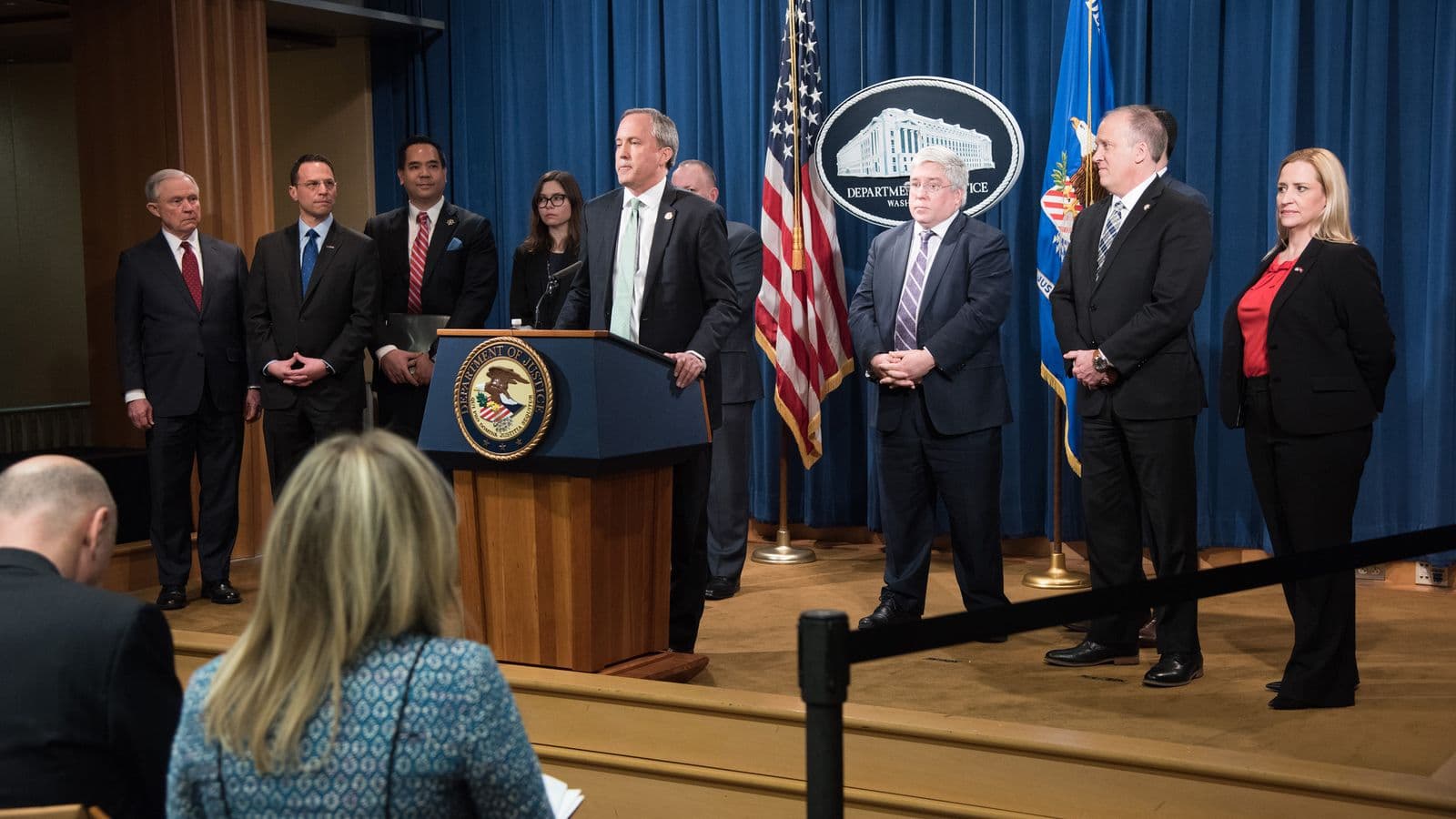
Texas Attorney General Ken Paxton announced a lawsuit against OpenAI entities and Sam Altman on 23 October. The announcement describes consumer-protection claims about representations of ChatGPT’s safety and reliability. The linked petition also invokes the SCOPE Act in its allegations concerning children’s data and protections. This is an enforcement action and pleading, not a court judgment. [s1, s2]
Texas Attorney General Ken Paxton announced a lawsuit against OpenAI entities and Sam Altman on 23 October. The announcement describes consumer-protection claims about representations of ChatGPT’s safety and reliability. The linked petition also invokes the SCOPE Act in its allegations concerning children’s data and protections. This is an enforcement action and pleading, not a court judgment. [s1, s2]
The state alleges that the company misled users and failed to provide adequate safeguards. Those are the plaintiff’s claims. Filing them does not establish the truth of each factual assertion, causation in individual incidents or the legal responsibility of each named defendant. The petition and announcement should be identified as one party’s position throughout coverage.
The public-control issue is whether users can meaningfully assess a system’s limits and whether regulators can test claims about safety, reliability and protections for minors. Litigation can bring those questions into an evidentiary process. It can also involve broad allegations that later narrow, fail or require significant qualification. The next meaningful developments are procedural rulings, responses and evidence, not the repetition of the filing’s most dramatic characterizations.
The strongest counterpoint is that harmful output or a bad outcome does not by itself establish deceptive marketing, a statutory violation or legally sufficient causation. Conversely, a general product warning would not automatically resolve every claim about a specific representation. The court must assess the actual legal and factual record; this article does not prejudge that process.
No defendant response verified in the cited primary record is represented here as an agreed statement or admission. That is a sourcing limit, not evidence that the allegations are uncontested. Follow-up should obtain the defense position and authoritative docket activity. Paxton has an institutional and political interest in enforcement; OpenAI and Altman have direct commercial, legal and reputational interests in the outcome. [s1, s2]
Evidence assessment: 7/10 — Substantial evidence | Scoring confidence High. Official announcement and petition establish the state’s filing and claims, not their truth or defendant liability.
Interests and provenance: Attorney general: enforcement and political interests. Defendants: commercial, legal and reputational interests.
Sources: [s1] Texas Office of the Attorney General — Attorney General Paxton sues OpenAI and CEO Sam Altman (2026-10-23): https://www.texasattorneygeneral.gov/news/releases/attorney-general-ken-paxton-sues-openai-and-ceo-sam-altman-lying-users-and-harming-texans; [s2] Texas Office of the Attorney General — Texas’s Original Petition — OpenAI (2026-10-23): https://www.texasattorneygeneral.gov/sites/default/files/images/press/OpenAI%20Final.pdf
What we do not know
- Q: Has a court established OpenAI’s liability or the alleged harms? A: No. The announcement and petition establish Texas’s claims and filing, not findings that every allegation is true or that a defendant caused a particular harm. Responses, evidence and rulings are needed. [s1, s2]
- Q: Does a harmful output alone prove deception, or does a warning automatically defeat the case? A: Neither follows. The legal questions depend on the specific representations, statutory requirements and causal evidence. The cited record does not settle them, and no verified defense response in that record should be treated as an admission. [s1, s2]
- Q: Will the case secure effective protections and remedies for affected users and children? A: That outcome is unresolved at filing. Public-interest evaluation should examine concrete safeguards, data practices, accessible remedies and enforceable results rather than count allegations or press statements as protection. The attorney general and defendants have different institutional and reputational interests. [s1, s2]
Sources
Interests and disclosures
- Parties identified in the article
- Attorney general: enforcement and political interests. Defendants: commercial, legal and reputational interests.