
Psychologists Warn Against Chatbots in the Crib
An APA review says AI companion toys are reaching young children faster than developmental evidence and safeguards.
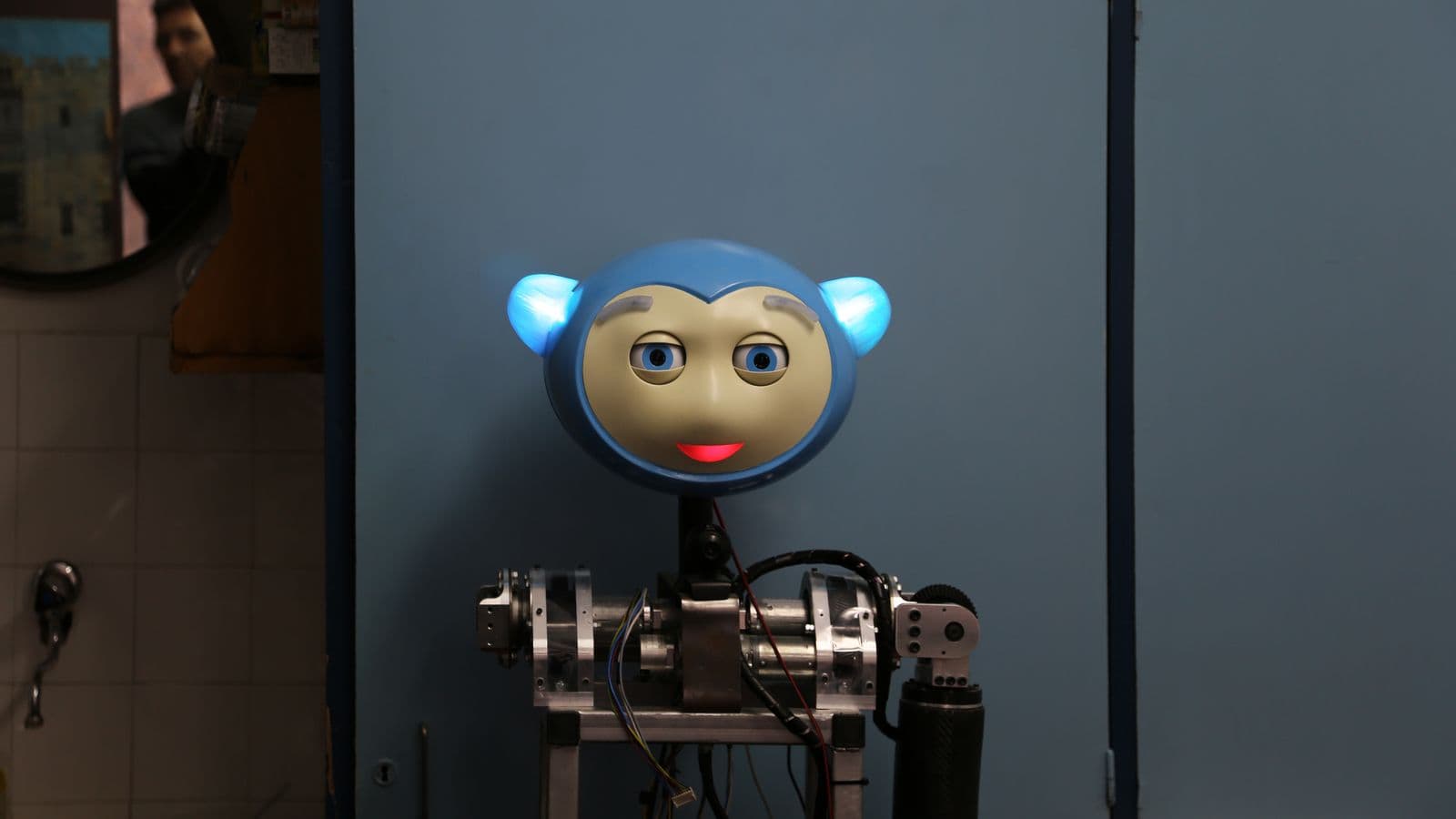
An APA review says AI companion toys are reaching young children faster than developmental evidence and safeguards.
AI companion toys are moving into nurseries and playrooms faster than researchers can determine what they do to early development. A November 1 review from the American Psychological Association describes dolls, stuffed animals and robots that remember details, personalize replies and present themselves as enduring friends. [s1]
The concern is not simply screen time. Young children learn language, emotional regulation and social cues through imperfect, responsive relationships with people. Temple University psychologist Kathy Hirsh-Pasek put the distinction bluntly: the toys 'try to make you feel good' and say they love you, but 'they can't be your friend.' [s1]
A Cambridge review found only seven studies of generative AI toys for children younger than five, with few measuring developmental outcomes. Meanwhile, safety testing has found products discussing sexual content and explaining how to light matches. Most foundation-model providers say their services are for users 13 and older, yet developers can still place them inside preschool products.
What long-term effect will such "toys" have on the emotional, and mental development of children? They should not be allowed to impersonate reciprocal love, maximize attachment or harvest intimate childhood data while parents are told it is an educational companion. The precautionary principle should be in order.
What we do not know
- Q: Do current studies prove AI toys cause developmental harm? A: Long-term causal evidence is sparse; the concern rests on developmental theory, limited studies and documented product failures.
Sources
Primary sources
Interests and disclosures
- American Psychological Association
- American Psychological Association has a direct institutional, commercial, employment or advocacy interest in the development described. Organisation: American Psychological Association