
New York Restricts AI Companion Features for Minors
New York signed a law restricting specified AI companion features for known minors.
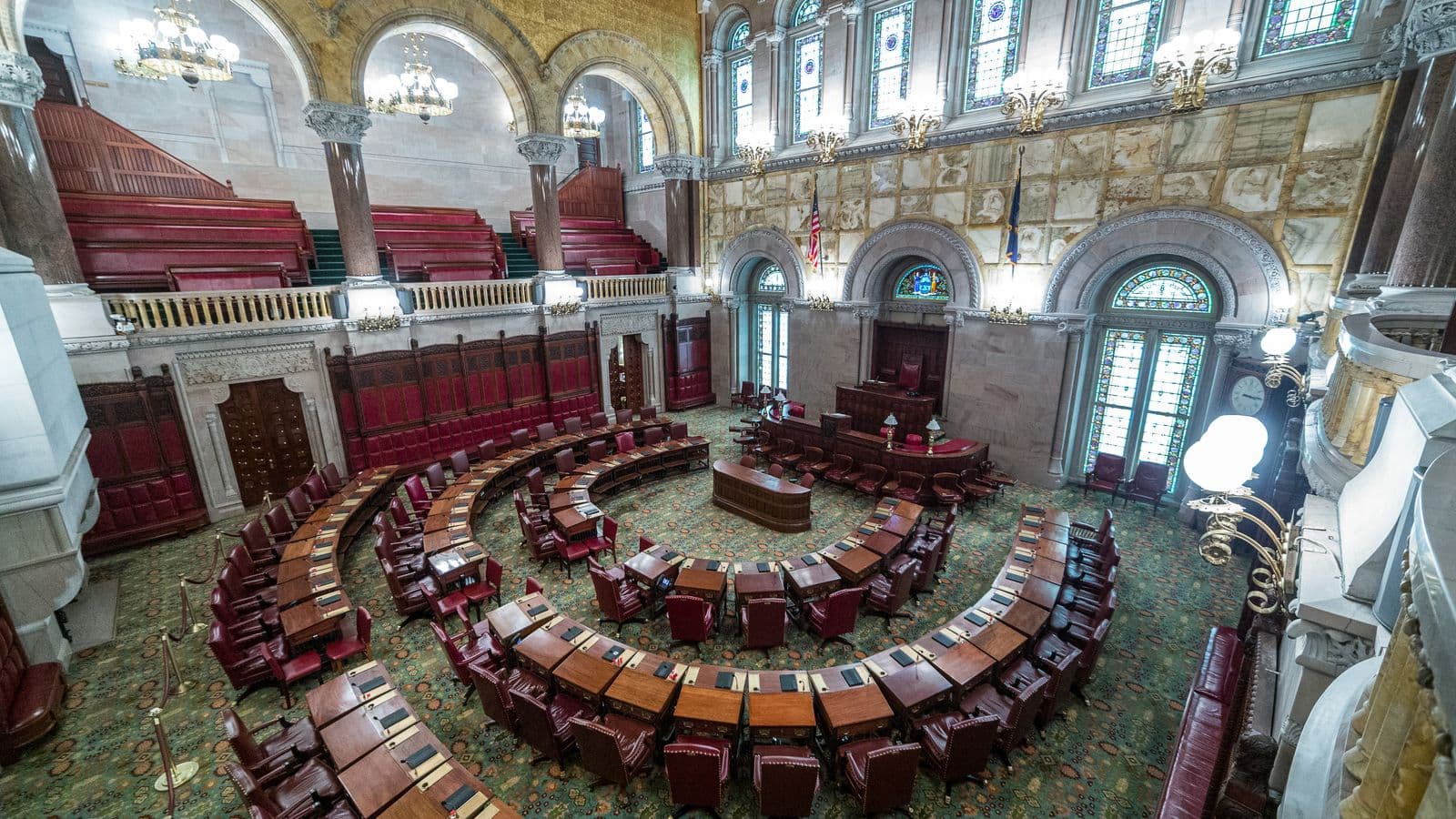
The Senate record places the signing of S9051B on October 28.
A child's longing for recognition should not become an engagement metric. New York's restrictions on unsafe AI companion features mark a welcome effort to place human development ahead of products designed to occupy an intimate place in a young person's life.
New York's Senate record shows that S9051B was signed on October 28. The law addresses unsafe AI companion features for known minors, including specified emotional-personhood claims, sycophancy and engagement-oriented design, with age-assurance and enforcement provisions. [s1]
Enactment establishes a legal intervention, not a measured improvement in children's experience. The operative provisions and commencement govern implementation; compliance, remedies and the privacy effects of age assurance remain matters to follow. [s1]
A system can perform affection without accepting responsibility for the relationship it invites. Features that encourage dependence or imply emotional personhood deserve particular skepticism when a company benefits from repeated engagement. Children need room to develop judgment through real relationships, disagreement and care.
Protection must also be examined in its means. Age assurance should not become a pretext for unnecessary identity collection. The moral task is to constrain manipulative design while preserving privacy and ensuring that families can obtain help when a product crosses the boundary.
What we do not know
- Q: Was the bill merely proposed during the week? A: The Senate record shows signing on October 28. Commencement and implementation provisions still govern when particular duties become operative.
- Q: Does enactment prove children are protected in practice? A: No. Compliance, effective enforcement, privacy-preserving age assurance and usable complaint routes must be followed through actual operation.
Sources
Interests and disclosures
- New York State Government
- New York’s lawmakers and executive adopted the restrictions and have a political interest in their effectiveness; the legislative record establishes enactment rather than successful protection. Organisation: New York State Government