
Jaron Lanier Questions Silicon Valley’s Digital Gods
Jaron Lanier warns that treating AI as a new species can distract from human authorship and corporate incentives.
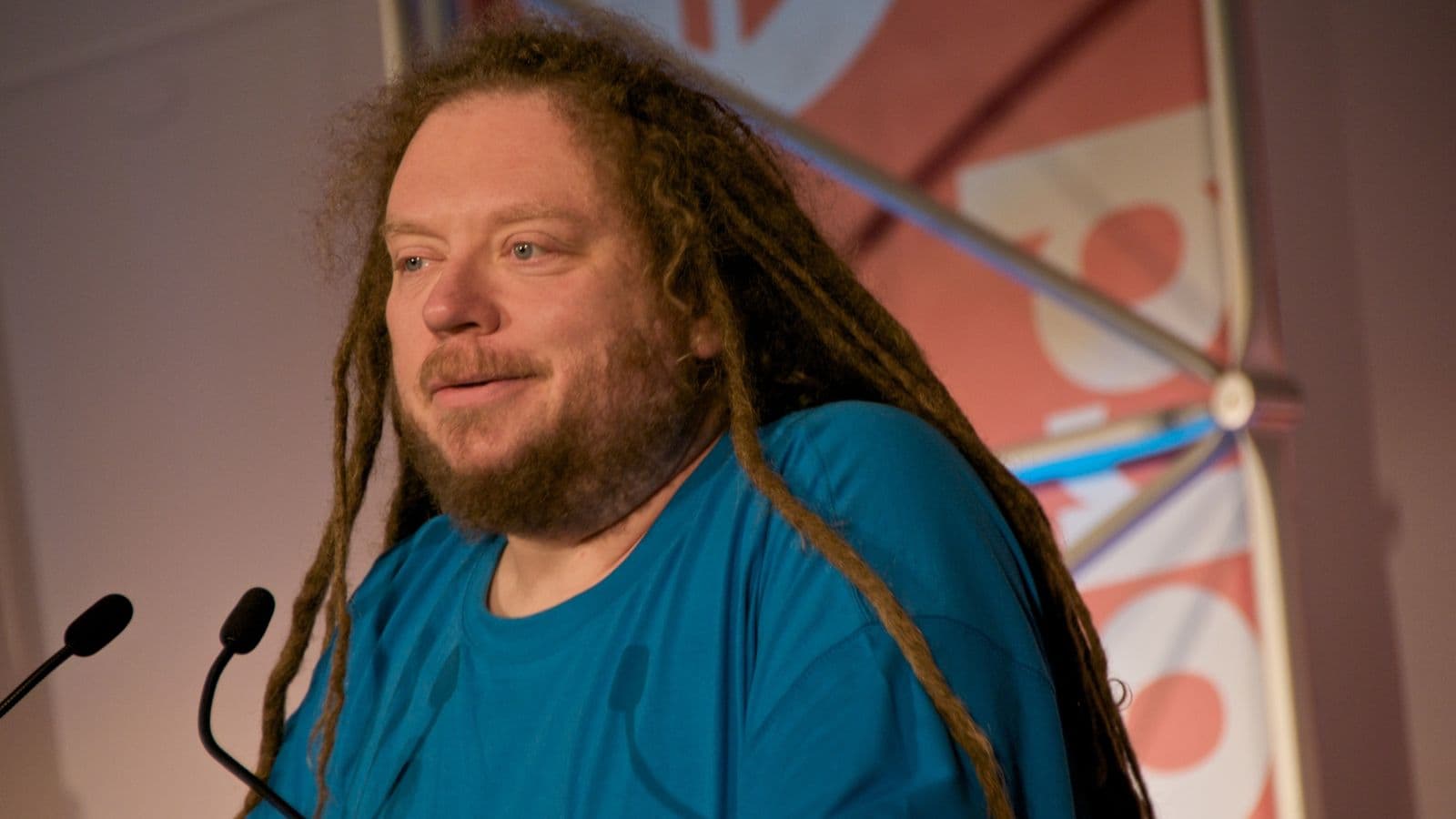
Times Tech released its Lanier conversation on November 1, challenging addiction-based business models and AI mythology.
Jaron Lanier’s latest intervention questions the story Silicon Valley tells about its creations. Times Tech’s November 1 episode description presents his criticism of treating chatbots as a new species, repeating social media’s addiction incentives and asking people to trust promises of future abundance. [s1]
That is a challenge to power as much as language. If a machine is imagined as an emerging being with its own destiny, the decisions of its builders can start to look like obligations imposed by history. A commercial choice acquires the prestige of something inevitable, and disagreement begins to resemble resistance to the future.
Published secondary accounts of the conversation describe Lanier’s alternative: AI-generated editing interfaces with adjustable controls, allowing users to explore and retain authorship. The reporting reviewed here supports that outline, rather than a complete reconstruction of the interview. [s2]
The distinction is worth examining. An oracle supplies answers that a user may learn to accept; a tool can expose choices and help a user develop judgment. Both may use sophisticated software, but they encourage different relationships to knowledge. Convenience becomes costly when it steadily removes opportunities to practise thinking and making.
Lanier’s religious imagery should be read as criticism of technological reverence, not proof of a secret organisation. The underlying moral question is concrete: do people remain free to reject a system’s authority, and can they hold its owners responsible? No claim of extraordinary machine intelligence should dissolve those obligations.
Lanier’s argument invites scrutiny of the industry from inside it: Microsoft lists him within its research community. A hopeful AI programme would make human authorship visible, reward learning rather than dependence and accept that some tasks should remain deliberately human.
What we do not know
- Q: Would different controls on an interface fix its incentives? A: Greater user authorship could help, but data practices and revenue models also require examination.
Sources
Primary sources
Interests and disclosures
- Jaron Lanier
- Microsoft’s research site lists him as Office of the Chief Technical Officer Prime Unifying Scientist, a relevant affiliation within the AI industry he critiques. Organisation: Microsoft