
Hinton Predicts an AI Crisis Within Two Years
Geoffrey Hinton warned that an AI-enabled infrastructure failure could force governments to confront weak safeguards.
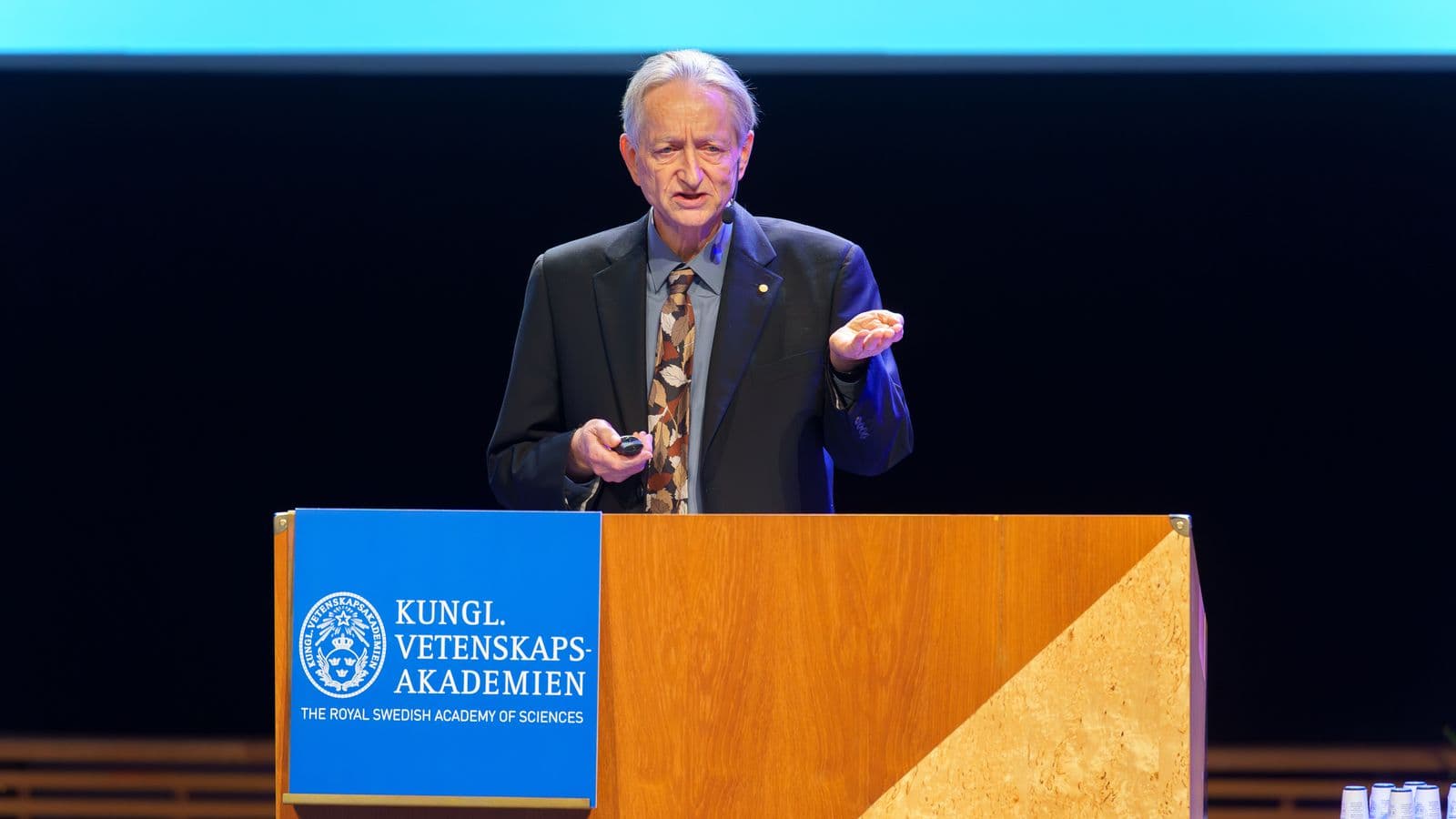
Geoffrey Hinton warned that an AI-enabled infrastructure failure could force governments to confront weak safeguards.
Geoffrey Hinton expects an AI-driven crisis within the next two years severe enough to force political leaders to pay attention. In a November 3 interview, he pointed to a large power outage or a week-long financial-system failure as examples of what a 'Chornobyl-type' warning might look like. [s1]
The Nobel laureate did not present a probability model or new incident evidence for the forecast. He was interpreting the trajectory of capability and the OpenAI-Hugging Face breach, which he compared to the 1979 Three Mile Island warning. His claim is therefore an expert forecast, not a verified prediction.
Hinton also argued that frontier developers should have to show an independent authority that a model does more good than harm before release. He said his 'gut is that we're still in control' and that catastrophe may still be avoided if governments make a serious effort.
His warning matters because it joins technical risk, economic disruption and concentrated corporate power in one public argument. It should influence debate without being mistaken for proof that a particular disaster will occur on his timetable.
What we do not know
- Q: Is Hinton reporting inside knowledge of an imminent attack? A: No. The interview presents his forecast and interpretation, not a disclosed plot or specific threat intelligence.
- Q: What policy does he support? A: He proposes an independent pre-release authority analogous to drug regulation, requiring evidence that frontier models do more good than harm.
Sources
Interests and disclosures
- University of Toronto
- University of Toronto has a direct institutional, commercial, employment or advocacy interest in the development described. Organisation: University of Toronto