
CorTec reports four-year electrode durability in non-human primates
CorTec reports durable cortical-surface recordings in two non-human primates. The finding addresses a component’s longevity, while evidence for complete implanted systems and human therapeutic benefit remains separate and more limited.
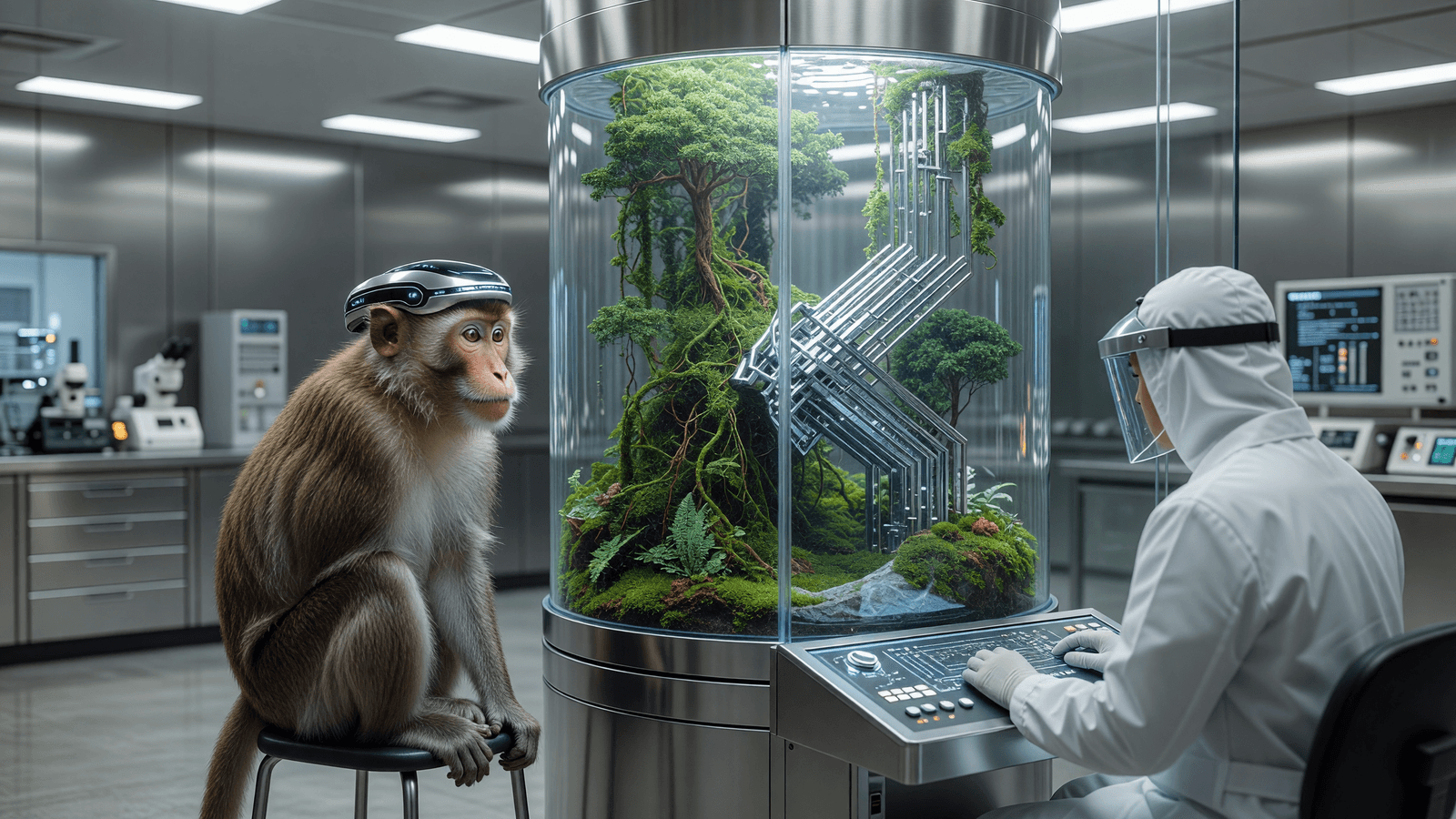
CorTec’s 21 October announcement describes cortical-surface electrode recordings lasting more than four years in a study of two non-human primates. In the animal still being followed, the company says 63 of 64 contacts continued recording; one contact failed after roughly 14 months. It cites results presented in September conference proceedings. [s1]
CorTec’s 21 October announcement describes cortical-surface electrode recordings lasting more than four years in a study of two non-human primates. In the animal still being followed, the company says 63 of 64 contacts continued recording; one contact failed after roughly 14 months. It cites results presented in September conference proceedings. [s1]
The duration belongs to the electrode arrays, not four years of demonstrated human use. CorTec separately describes more than 500 days for a complete wireless system in animals and a planned nine-month implantation in its first human stroke-study participant. These evidence layers must remain separate. [s1]
Durability matters because a useful implant needs reliable signals over time, not simply an impressive first session. But stable recordings alone do not establish better daily function, therapeutic efficacy or the long-term safety of a complete human system. The strongest positive case is component persistence; the major limitation is the small preclinical sample and reliance on a manufacturer summary. CorTec has a commercial interest in its platform. Independent examination of the underlying study and longer human follow-up would strengthen the conclusion. [s1]
Evidence assessment: 6/10 — Emerging credible evidence | Scoring confidence Moderate. Manufacturer summary of a small preclinical study; human efficacy and complete-system longevity are separate.
Interests and provenance: CorTec manufactures the electrodes and develops the associated implant platform.
Sources: [s1] CorTec — CorTec Brain Interface Electrodes Record Stable Signals for More Than Four Years (2026-10-21): https://cortec-neuro.com/news/cortec-brain-interface-electrodes-record-stable-signals-for-more-than-four-years
What we do not know
- Q: Were people safely using a complete implant for four years? A: No such claim follows. The four-year result concerns electrode arrays in non-human primates. The complete wireless system and first human participant had separate, shorter observation periods. Combining those durations would overstate the human evidence. [s1]
- Q: Do stable recordings establish improved human function or durable therapy? A: No. They support component longevity in a small preclinical sample. Human clinical benefit, whole-system reliability and long-term safety require separate evidence. Manufacturer reporting is not an independent replication of those outcomes. [s1]
- Q: What remains unknown about a future user’s dependence on the implant provider? A: The announcement does not establish lifetime servicing, software continuity, affordability or what happens if support ends. Human-centered editorial judgment: those practical dependencies should be evaluated with clinical outcomes; component durability alone does not secure a user’s autonomy. [s1]
Sources
Interests and disclosures
- Parties identified in the article
- CorTec manufactures the electrodes and develops the associated implant platform.