
Congressional Demand Targets Federal Biometric Records
A U.S. lawmaker ordered DHS to preserve records as Congress prepares scrutiny of federal biometric surveillance.
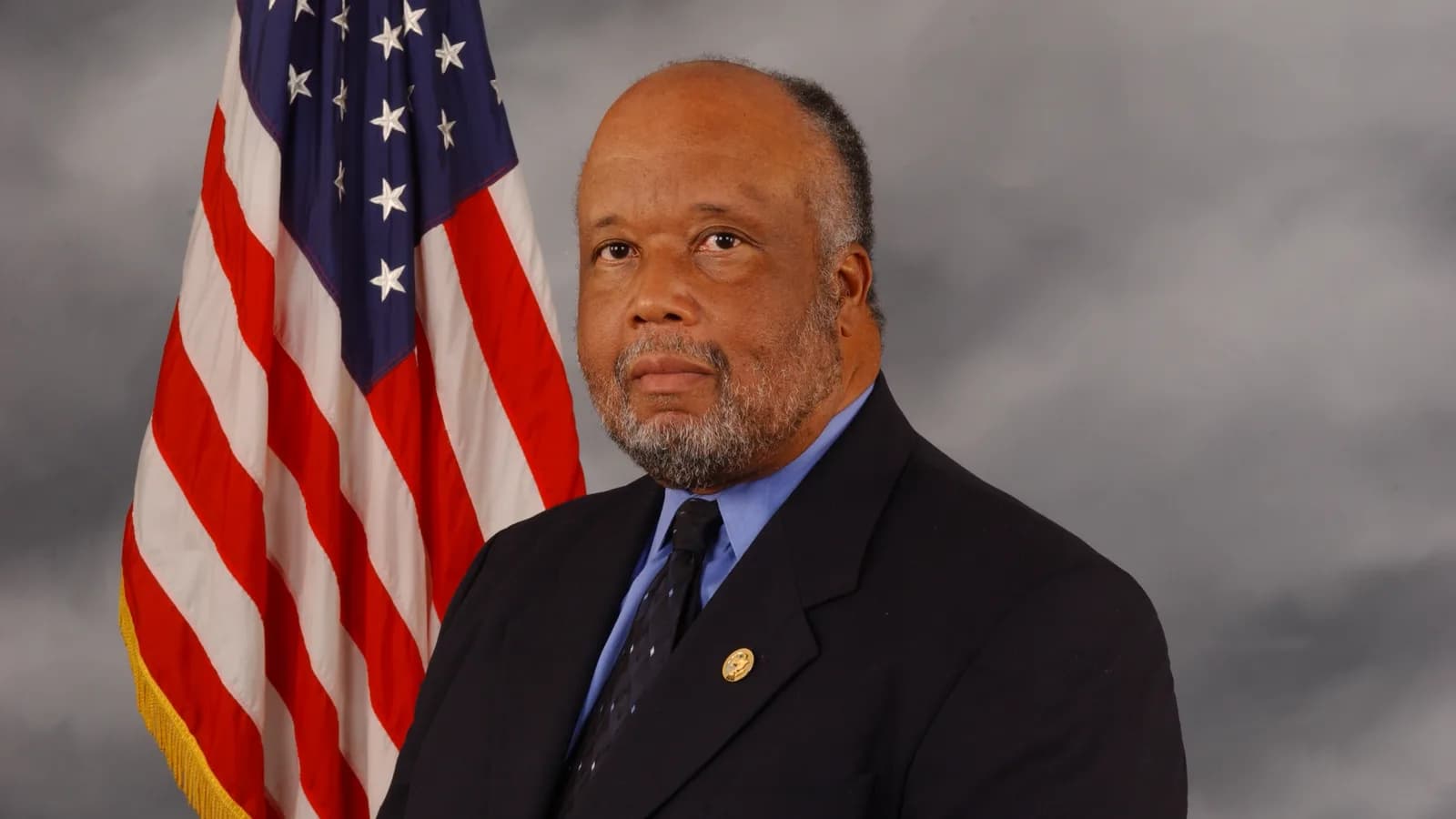
A U.S. lawmaker ordered DHS to preserve records as Congress prepares scrutiny of federal biometric surveillance.
A congressional records demand is setting the stage for a broader examination of the biometric and surveillance systems already operating inside the U.S. Department of Homeland Security. [s1]
Representative Bennie Thompson demanded that DHS preserve its documents and provide assurances by November 11 that records would not be destroyed, altered or moved beyond investigators’ reach. He also renewed earlier information requests, with a December 2 production deadline. [s1]
The prospective inquiry reaches beyond facial recognition. Lawmakers have questioned mobile fingerprinting, immigration databases, social-media monitoring, commercial data brokers and the contractors that link those sources together.
The demand does not suspend a system or establish wrongdoing. Its significance lies in what can become visible when oversight gains subpoena power: contracts, retention rules, error records and the practical routes by which information collected for one purpose becomes available for another.
Digital identification is often defended one application at a time. Democratic control depends on seeing the combined architecture—and on giving a person a meaningful way to learn, challenge and correct how that architecture identifies them.
What we do not know
- Q: Has Congress restricted the systems? A: No. The present action is a records-preservation and information demand ahead of possible investigations.
- Q: Which systems may face scrutiny? A: Reported targets include facial recognition, mobile biometric identification, immigration databases, data brokers and social-media monitoring.
Sources
Interests and disclosures
- U.S. Department of Homeland Security
- The organization has a direct institutional, commercial or advocacy interest in the development described. Organisation: U.S. Department of Homeland Security