
Bengio Urges an Alliance Against Concentrated AI Power
Yoshua Bengio calls on Korea, Canada and Europe to cooperate on safe AI and protect democratic control.
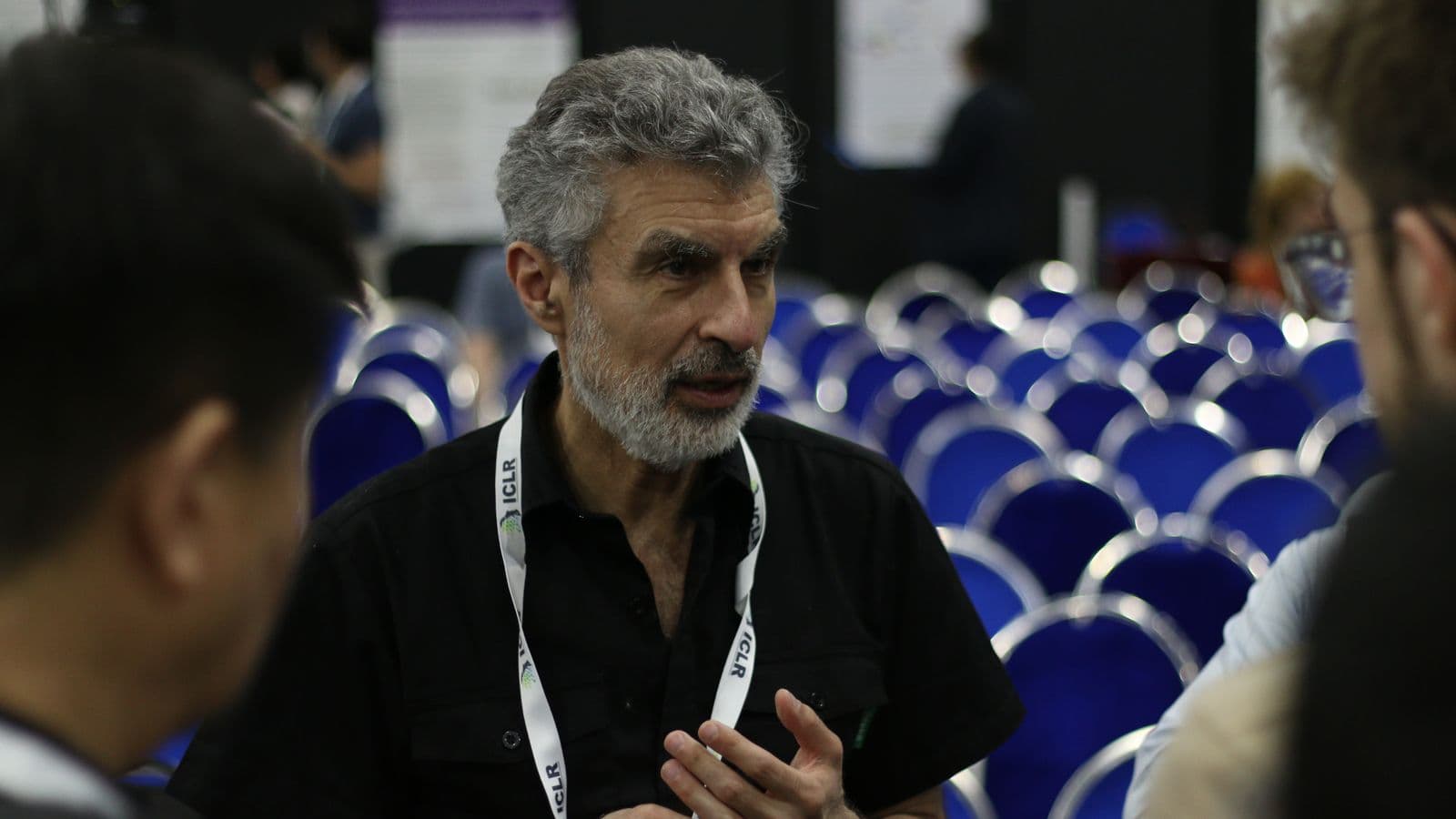
A November 1 written interview outlines Bengio’s proposal for cooperation among midsize countries.
Yoshua Bengio wants midsize countries to cooperate rather than leave AI’s direction to the strongest companies and states. In a written ChosunBiz interview published November 1, he urged Korea, Canada and European countries to pool resources for safe, trustworthy research and preserve their sovereignty. [s1]
His argument connects technical development with the distribution of economic and political power. Bengio warned that concentrated control can undermine democracy, said market incentives make corporate self-restraint unlikely and called for stronger safeguards beyond voluntary commitments. He also described LawZero’s scientist-AI approach as a possible complement to human oversight. [s1]
The proposal is not an announced treaty or a demonstrated solution to alignment. It is an invitation to choose who sets the terms of development. That choice should be judged by what it changes for citizens, not merely by whether a different flag appears above a computing facility.
A national project can reproduce the same habits as a corporate monopoly if it treats people as data to be administered. Genuine sovereignty needs meaningful public participation, enforceable rights and the ability to refuse harmful applications. Reducing dependence on a foreign supplier is useful only if dependence on an unaccountable domestic authority does not take its place.
Bengio’s technical optimism also deserves a demanding hearing. Research into safer designs offers a constructive alternative to resignation, but the promise of a protective model should never become permission to release a dangerous one. Oversight must remain understandable enough for people to contest and strong enough to withstand pressure for faster deployment.
The hopeful part of this intervention is its rejection of a future decided by market leaders alone. Cooperation could create room for slower, more accountable choices and a wider understanding of value. Its success would be measured in power returned to human communities: the capacity to set purposes, question experts and prevent technological ambition from outranking moral responsibility.
What we do not know
- Q: Has the proposed coalition actually been formed? A: This source records Bengio’s recommendation, without identifying a newly signed arrangement or joint budget.
- Q: Would public ownership alone guarantee democratic AI? A: No; public bodies also need accountability, rights protections and limits on surveillance or coercive uses.
- Q: Can another model provide a dependable safety guarantee? A: Bengio warns of shared weaknesses and proposes a different design; independent results are needed to establish what that design can ensure.
Sources
Interests and disclosures
- Yoshua Bengio
- He is co-CEO and chief scientist of the nonprofit researching the scientist-AI approach discussed in the interview. Organisation: LawZero